What Is MSDS? Complete Guide to SDS & GHS
Public Limited Company

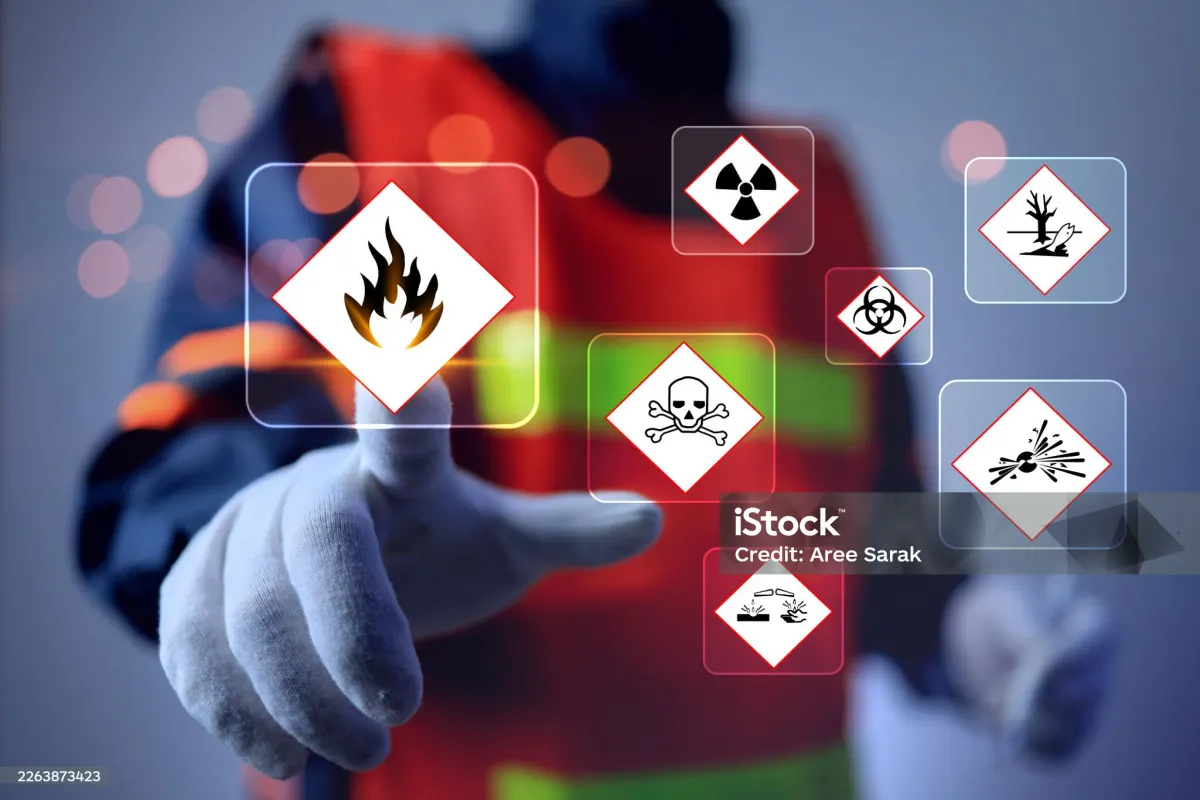
What Is MSDS? Complete Guide to SDS & GHSWhat Is MSDS? Complete Guide to SDS & GHSWhat Is MSDS? Complete Guide to SDS & GHSWhat Is MSDS? Complete Guide to SDS & GHSWhat Is MSDS? Complete Guide to SDS & GHSWhat Is MSDS? Complete Guide to SDS & GHSWhat Is MSDS? Complete Guide to SDS & GHSWhat Is MSDS? Complete Guide to SDS & GHSWhat Is MSDS? Complete Guide to SDS & GHSWhat Is MSDS? Complete Guide to SDS & GHSWhat Is MSDS? Complete Guide to SDS & GHSWhat Is MSDS? Complete Guide to SDS & GHSWhat Is MSDS? Complete Guide to SDS & GHSWhat Is MSDS? Complete Guide to SDS & GHSWhat Is MSDS? Complete Guide to SDS & GHS
What Is MSDS? A Complete Guide to SDS, GHS, and Chemical Safety Compliance
An MSDS (Material Safety Data Sheet) explains the hazards of a chemical product and the precautions needed for its safe handling, storage, use, and transport. Modern chemical safety systems generally use the standardised Safety Data Sheet (SDS) format, which follows the Globally Harmonized System (GHS). The document supports workplace safety, emergency planning, and applicable regulatory compliance.
What Is MSDS?
MSDS stands for Material Safety Data Sheet. It is a technical document that describes a chemical product's hazards, composition, physical properties, health effects, and recommended safety precautions.
A material safety data sheet helps workers, employers, manufacturers, and emergency responders understand the risks associated with a chemical before using or handling it.
For example, an industrial solvent may release flammable vapours, while a concentrated acid may cause severe skin burns. The relevant safety document explains these hazards and provides information about protective equipment, exposure controls, storage, and emergency response.
An MSDS commonly contains:
- Product identification and supplier details.
- Hazard classification and warning information.
- Chemical ingredients and composition.
- First-aid and firefighting measures.
- Spill response and containment procedures.
- Safe handling and storage instructions.
- Exposure limits and personal protective equipment (PPE).
- Physical properties, stability, and toxicological information.
The purpose of an MSDS is not simply to describe a product. It helps people make informed decisions about chemical safety and provides technical information for risk assessments, employee training, and emergency procedures.
How Did MSDS Change to SDS?
The transition from MSDS to SDS addressed inconsistencies in the way chemical hazards were classified and communicated across countries and industries.
Historically, material safety data sheets could use different formats and terminology, making it harder for workers to locate information quickly. The United Nations developed the Globally Harmonized System of Classification and Labelling of Chemicals (GHS) to promote a more consistent approach.
In the United States, the Occupational Safety and Health Administration (OSHA) revised its Hazard Communication Standard in 2012 to align with GHS. The revision established a standardised 16-section SDS format and updated chemical hazard classification and labelling requirements.
The transition did not make every older MSDS document automatically invalid. However, businesses must check that their documentation is accurate, current where required, and suitable for the applicable market.
| Feature | MSDS | SDS | Feature |
|---|---|---|---|
| Full form | Material Safety Data Sheet | Safety Data Sheet | Full form |
| Format | Historically varied | Standardised format | Format |
| Section order | Could vary | Defined 16-section sequence | Section order |
| Hazard communication | Older formats and terminology | GHS-aligned in jurisdictions that implement it | Hazard communication |
| Current usage | Common legacy term and search phrase | Preferred modern terminology | Current usage |
GHS is an international framework, not one universal law. Individual countries implement its recommendations through their own regulatory systems. An SDS prepared for one market may therefore need to meet additional requirements before being used in another.
What Are the 16 Sections of an MSDS or SDS?
A standard GHS-format SDS contains 16 sections, each covering a different aspect of chemical safety. The sequence helps users locate hazard information, emergency instructions, protective measures, and technical details consistently.
The following breakdown follows the established SDS structure. Under OSHA's Hazard Communication Standard, Sections 1–11 and 16 have specified content requirements. Sections 12–15 are included in the sequence, but OSHA does not enforce their content requirements because those subjects fall under other agencies' jurisdictions.
Section 1: Identification
Identifies the product, recommended uses, restrictions on use, manufacturer or supplier, and emergency contact information.
Section 2: Hazard(s) Identification
Describes the product's classified physical and health hazards. It includes applicable GHS pictograms, signal words, hazard statements, and precautionary statements.
Section 3: Composition/Information on Ingredients
Lists relevant chemical ingredients, chemical names, CAS numbers, and applicable concentration information. Disclosure requirements depend on the product and relevant rules.
Section 4: First-Aid Measures
Explains recommended first aid following inhalation, skin contact, eye contact, or ingestion. It may also describe symptoms and when immediate medical attention is needed.
Section 5: Fire-Fighting Measures
Identifies suitable extinguishing media, hazards arising from combustion, and special protective equipment or precautions for firefighters.
Section 6: Accidental Release Measures
Provides guidance for spills and leaks, including personal precautions, protective equipment, containment methods, and environmental precautions.
Section 7: Handling and Storage
Explains safe handling practices and storage conditions, including ventilation, ignition sources, incompatible materials, and conditions to avoid.
Section 8: Exposure Controls/Personal Protection
Identifies applicable occupational exposure limits, engineering controls, ventilation measures, and PPE recommendations, such as gloves, goggles, protective clothing, and suitable respiratory protection where required.
Section 9: Physical and Chemical Properties
Describes relevant properties such as appearance, odour, pH, boiling point, vapour pressure, density, solubility, and flash point. Not every property applies to every chemical.
Section 10: Stability and Reactivity
Explains the chemical's stability, hazardous reactions, incompatible materials, conditions to avoid, and potentially hazardous decomposition products.
Section 11: Toxicological Information
Summarises relevant health effects and toxicological data, including acute toxicity, skin or eye damage, sensitisation, carcinogenicity, and other applicable endpoints.
Section 12: Ecological Information
Provides information about potential environmental effects, such as aquatic toxicity, persistence, degradability, bioaccumulation, and mobility in soil.
Section 13: Disposal Considerations
Describes appropriate waste-handling and disposal considerations, including contaminated packaging, subject to applicable environmental and waste-management rules.
Section 14: Transport Information
Provides relevant transport details, which may include the UN number, proper shipping name, transport hazard class, packing group, and environmental hazards.
Section 15: Regulatory Information
Identifies relevant health, safety, and environmental regulations specific to the product where required.
Section 16: Other Information
Contains supplementary information, references, and the date of preparation or last revision. This helps users understand the document's history.
Who Needs an MSDS?
MSDS and SDS documents are used throughout the chemical supply chain. Whether a particular document is legally required depends on the product, the activity, and the applicable jurisdiction.
- Manufacturers and formulators: Assess hazards and prepare accurate documentation for products covered by applicable requirements.
- Importers and exporters: Verify chemical documentation against relevant local regulations and destination-market rules.
- Importers and exporters: Verify chemical documentation against relevant local regulations and destination-market rules.
- Employers: Maintain access to applicable SDS documents, implement hazard communication procedures, and train employees.
- Employees and chemical handlers: Use the information to understand hazards, select protection, and follow safe work procedures.
- Transport and logistics companies: Use relevant hazard and transport information to support compliance with applicable dangerous-goods rules.
Industries that commonly use safety documentation include manufacturing, pharmaceuticals, construction, automotive, paints and coatings, laboratories, agriculture, cleaning products, and chemical distribution.
In the United States, OSHA's Hazard Communication Standard requires covered chemical manufacturers and importers to develop or obtain SDS documents for hazardous chemicals they produce or import. Covered employers must maintain access to the required documents and provide employee information and training.
These US requirements should not be treated as a universal statement of the law in India or other countries.
What Is an MSDS Certificate?
An MSDS certificate is a common commercial search term for a material safety data sheet or safety documentation prepared for a chemical product. The term does not, by itself, establish that the document is a government-issued certificate or that a product has received independent safety certification.
An SDS communicates chemical hazards and precautions. It does not automatically prove that a product has been independently tested, approved by a regulator, or certified as compliant in every country.
How Can a Business Obtain an MSDS Certificate?
Businesses should first determine whether an accurate SDS already exists for the product. If a new document or revision is needed, the process generally involves the following steps:
- Identify the product: Confirm its name, intended use, formulation, and relevant ingredients.
- Collect technical information: Obtain reliable composition data, CAS numbers, physical properties, and relevant toxicological information.
- Assess chemical hazards: Apply the classification criteria required in the relevant jurisdiction.
- Prepare the SDS: Compile the information into the required format and language.
- Review the document: Verify hazard statements, emergency instructions, PPE recommendations, supplier details, and applicable regulatory information.
- Maintain the document: Review and revise it when required by applicable rules or when relevant hazard information changes.
A manufacturer may provide the document directly, or a business may engage a qualified chemical safety documentation provider. The appropriate option depends on the product, the available data, and the target market.
For example, an Indian manufacturer exporting a chemical formulation may need an SDS that meets the destination market's requirements. Copying a generic template without checking the actual formulation and applicable classification rules can lead to incorrect safety information.
Before paying for an MSDS service, ask what the service includes, what technical information is required, who reviews the document, and whether the scope covers the intended market. No provider should promise universal regulatory approval merely because it prepares an SDS.
How to Read and Use an MSDS in an Emergency
An MSDS is most useful when employees know where to find it and understand how to interpret its instructions before an incident occurs. During an emergency, consult the product-specific SDS, follow site emergency procedures, and contact trained responders when necessary.
- Chemical exposure: Consult Section 4 for first-aid guidance and seek medical assistance when indicated.
- Fire: Refer to Section 5 for suitable extinguishing media and specific hazards. Do not attempt dangerous firefighting operations without appropriate training and equipment.
- Spills and leaks: Check Section 6 for containment and protective measures. Isolate the area and alert trained responders if the situation presents a risk.
- PPE selection: Use Section 8 to review exposure controls and protective equipment recommendations.
- Unexpected reactions: Consult Section 10 for stability, incompatibilities, and conditions that could trigger hazardous reactions.
- Medical assessment: Provide the product name and relevant SDS information to medical professionals when appropriate.
Never assume a chemical is harmless because it has a mild odour or because a spill appears small. Vapours may be dangerous even when they are difficult to detect.
Employers should ensure that workers can readily access the relevant safety documents during their work shifts. Electronic access may be suitable where permitted, provided employees can retrieve the information promptly and emergency access is not obstructed.
Common MSDS Myths and Misconceptions
Myth 1: MSDS and SDS are completely different documents.
Not necessarily. SDS is the modern standardised format used in many GHS-aligned systems, while MSDS is the older term. Both refer to chemical safety documentation.
Myth 2: Every MSDS certificate is government-approved.
False. Preparing an SDS does not automatically mean that a regulator or independent certification body has approved the product.
Myth 3: One MSDS works for every chemical product.
False. The information must accurately represent the relevant product or formulation. Products with different compositions may have different hazards.
Myth 4: An SDS never needs updating.
False. Relevant changes in hazard information, formulation, or applicable requirements may require a revision. Businesses should follow the update obligations that apply to their products and markets.
Myth 5: Having an SDS makes a workplace fully compliant.
False. Applicable requirements may also cover labelling, training, exposure controls, PPE, risk assessment, emergency procedures, and other workplace safety measures.
Final Thoughts
MSDS remains a widely used search term, while SDS is the preferred modern terminology in many chemical safety systems. Both terms relate to documentation that communicates hazards and helps people handle chemical products safely.
For businesses, obtaining a document is only one part of the process. The information must reflect the actual product, follow the applicable format, accurately describe relevant hazards, and remain accessible to the people who need it.
A properly prepared and maintained SDS supports workplace safety, emergency preparedness, and more reliable chemical compliance throughout the supply chain.
Talk to an expert today and find the right insurance for you.



Latest Blog Articles
Explore our latest insights, expert tips, and helpful guides designed to keep you informed with the most valuable updates and trends.




Grow My Vyapar FAQ’s
Growing your business online can feel overwhelming, but with Grow My Vyapar, the process becomes simple, strategic, and result-driven. We help businesses build a strong digital presence through website development, SEO, social media marketing, Google Ads, branding, and complete digital marketing solutions tailored to your goals.
To help you better understand our services, we’ve answered some of the most common questions about Grow My Vyapar. These FAQs cover our process, timelines, pricing, support, marketing strategies, and more. Explore the answers below and discover how we can help your business grow faster, reach more customers, and build a powerful online presence with confidence.